Best Pressure Cleaning Practices for Bundaberg Businesses
Pressure cleaning helps Bundaberg businesses maintain safer entrances, cleaner outdoor areas and a professional appearance. Local humidity, seasonal rainfall and dust encourage grime and organic growth on exposed surfaces. Effective commercial cleaning requires more than high water pressure: the right method protects building materials, manages wastewater and limits disruption to customers.
Inspect Surfaces Before Cleaning
Check concrete, pavers, walls and painted surfaces for cracks, loose coatings, damaged joints and failing sealants. Identify nearby electrical fittings, air-conditioning equipment and drainage points before work begins. Photograph existing damage and test the proposed cleaning method on a small, inconspicuous area.
Do not pressure clean suspected asbestos-containing materials. Older commercial properties may contain asbestos cement sheeting or other asbestos products. Arrange appropriate assessment before disturbing uncertain materials.
Match the Cleaning Method to the Material
Concrete, Pavers and Loading Areas
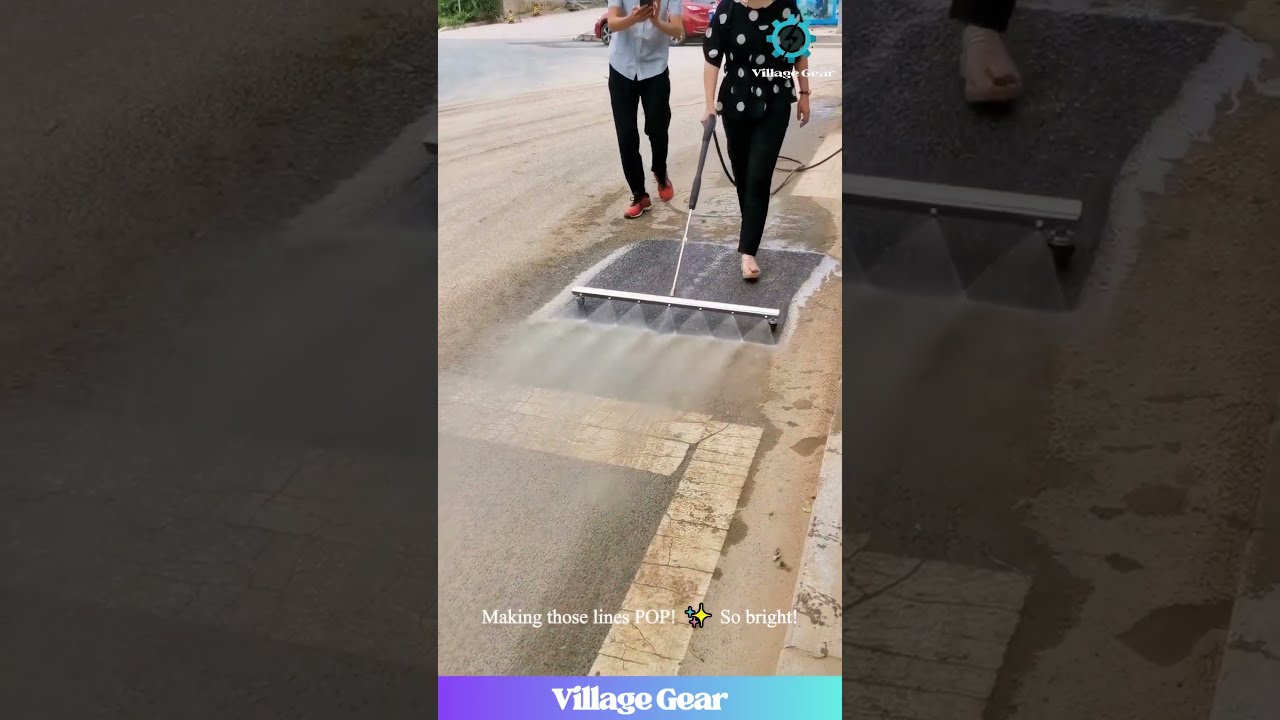
Use the lowest effective pressure and a suitable nozzle. A surface-cleaner attachment can produce a more consistent finish on sound concrete than a narrow spray jet. Keep equipment moving to reduce etching and visible cleaning marks. Avoid blasting sand from paving joints, and inspect whether joint sand needs replenishing once the area dries.
Painted Walls, Signage and Delicate Finishes
Use lower-pressure washing or an appropriate soft-washing method for vulnerable surfaces. Check manufacturer guidance before treating coated metal, timber, render or signage. Avoid directing water into window seals, vents, electrical enclosures or building joints.
Grease and Organic Growth
Remove loose debris and absorb excess oil before washing. Use a surface-compatible cleaner for grease or algae, following its label instructions and safety data sheet. Allow the specified contact time without letting the product dry on the surface. More pressure is not a substitute for suitable treatment.
Keep Wash Water Out of Stormwater Drains
Commercial wash water can contain detergents, sediment, oil and other pollutants. Queensland environmental requirements apply to releases of contaminants, so businesses should prevent polluted runoff from entering gutters, stormwater drains and waterways.
- Sweep or vacuum loose material before introducing water.
- Identify drains and use suitable bunding, barriers and recovery equipment to contain wash water.
- Collect contaminated water and arrange disposal appropriate to its contents.
- Confirm any proposed sewer disposal with Bundaberg Regional Council; trade waste approval may be required.
Biodegradable detergent does not make runoff safe for stormwater. Check current council requirements and any applicable water restrictions before scheduling substantial cleaning.
Protect Staff, Customers and Neighbouring Properties
Schedule work outside busy trading periods where practical. Establish an exclusion zone using barriers and clear signage, and provide an alternative pedestrian route. Keep people away from hoses, spray and slippery surfaces until the area is safe to reopen.
Operators need suitable training, protective footwear, eye and hearing protection, and any additional protection specified for the equipment or chemicals. Never direct a pressure jet at skin. Treat a suspected high-pressure injection injury as a medical emergency, even when the wound appears minor.
Plan Cleaning Around Bundaberg Conditions
Inspect shaded entrances, outdoor dining areas and poorly drained paths more frequently during humid or wet weather. Clean slippery growth promptly rather than waiting for a fixed annual service. Where properties experience coastal salt https://mylesoufb511.urbanvellum.com/posts/how-to-remove-oil-stains-from-your-concrete-driveway exposure, use a material-appropriate maintenance approach and follow coating manufacturers’ advice.
Choose a commercial pressure cleaning provider that can explain its surface assessment, runoff controls, insurance and site safety procedures. A maintenance schedule based on foot traffic, surface condition and contamination levels helps Bundaberg businesses control hazards without unnecessary cleaning or surface wear.
Bundaberg Pressure Cleaning
(07) 4158 8067